
Why Upper Respiratory Infections Rise Towards the End of the Year in South Africa
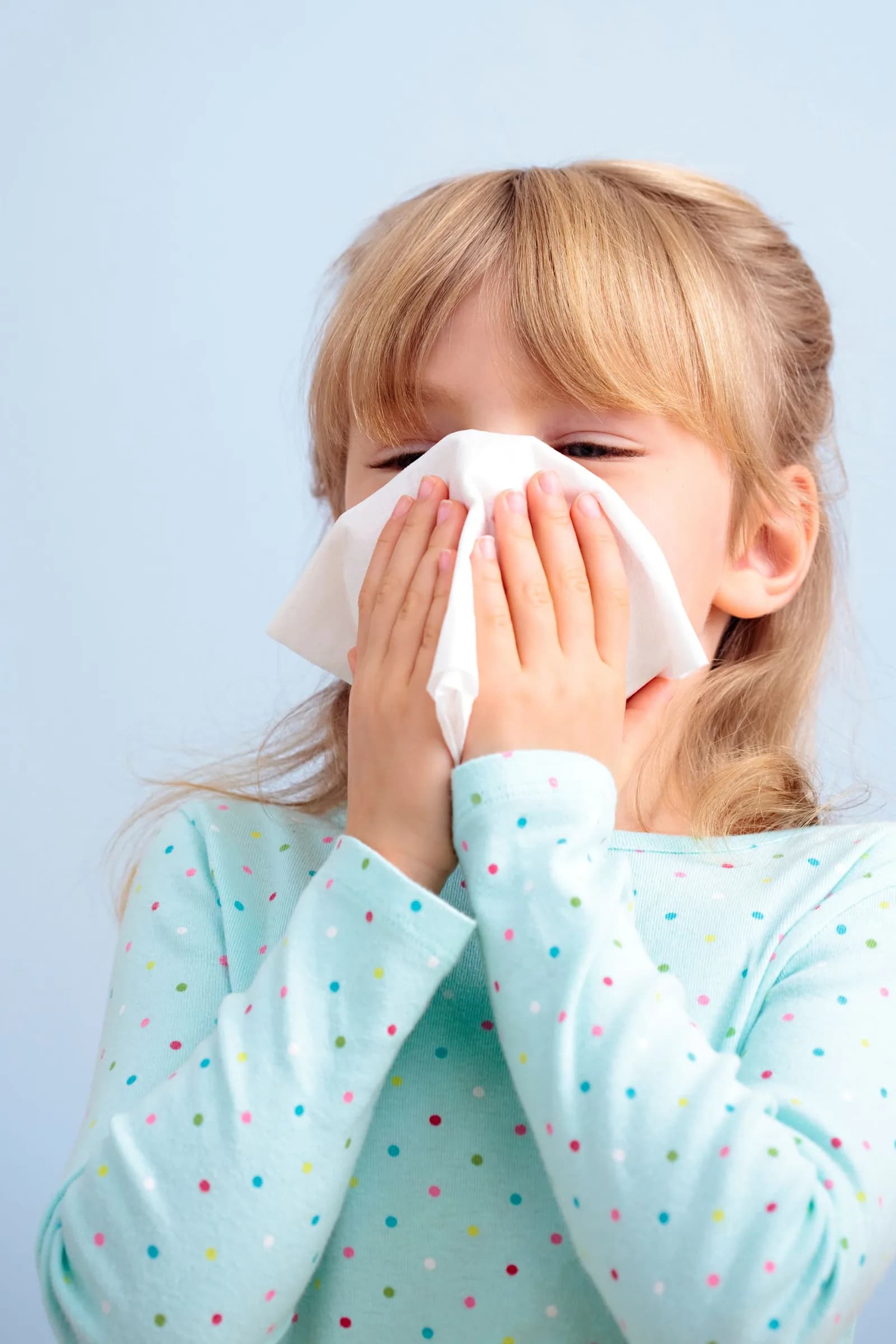
A noticeable increase in acute upper respiratory infections is often seen in South Africa between October and December. While respiratory illness is commonly associated with winter, the warmer months can bring their own combination of viruses, allergies and environmental triggers.
2 min read
Respiratory Viruses Still Circulate in Summer
South Africa’s main influenza season generally falls within the colder months, but other respiratory viruses continue to circulate throughout the year.
Rhinovirus, one of the most common causes of the common cold, is a key example. It can cause symptoms such as a blocked or runny nose, sore throat, coughing and general discomfort, even outside the traditional flu season.
Spring and Summer Allergies Play a Role
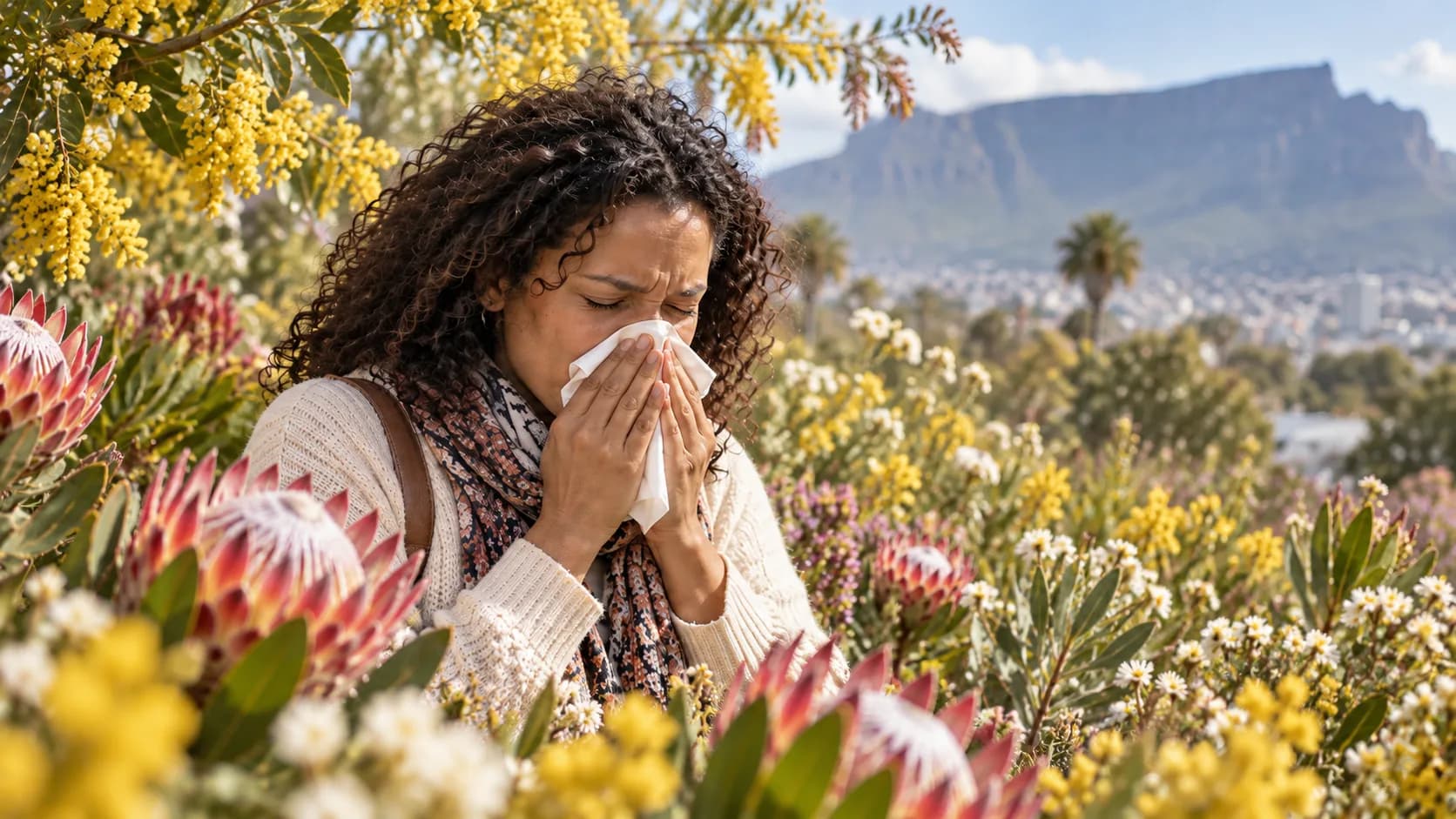
October to December also falls within a period of higher pollen activity in many parts of South Africa.
Grass and tree pollen can trigger allergic rhinitis, which often causes symptoms similar to an upper respiratory infection, including:
- Nasal congestion
- Runny nose
- Coughing
- Sore throat
- Post-nasal drip
Because these symptoms overlap so closely with those of viral infections, some cases may be recorded more broadly as an acute upper respiratory infection.
More Social Contact Means More Transmission
The end of the year also brings increased social activity.
School events, holidays, travel, work functions and family gatherings mean people spend more time in close contact with others. This naturally creates more opportunities for common respiratory viruses to spread.
Diagnosis and Coding Can Influence the Numbers
“Acute upper respiratory infection, unspecified” is a broad diagnosis.
Doctors may use this category when a patient presents with typical upper respiratory symptoms but there is no clear need to identify a specific virus or condition.
As a result, an increase in this diagnosis may reflect both a genuine rise in respiratory illness and the way symptoms are clinically classified.
Why the October to December Increase Makes Sense
The rise in upper respiratory infections towards the end of the year is therefore likely caused by a combination of factors rather than a single seasonal illness.
Year-round respiratory viruses, higher pollen levels, allergy-related symptoms and increased social interaction can all contribute to more patients presenting with upper respiratory complaints during South Africa’s spring and early summer months.